

✨ Trending Games

FEATURED GAMES
Carefully Curated · Play & Enjoy

Motorbike Racing
★ 400 plays
Puzzle Blocks: Ancient
★ 400 plays
Ninja Rush
★ 400 plays

Nitro Street Run 2
★ 400 plays
Mosquito Run
★ 300 plays

Paint the Game
★ 400 plays

My Closet Clothes Sort Puzzle
★ 400 plays

Neo2048
★ 400 plays

Muscle King
★ 400 plays

Paper Flight 2
★ 400 plays
Perfect Ironing ASMR
★ 400 plays
Gold Digger FRVR
★ 400 plays
⭐ Popular Games
View All →
Happy Glass 2
Popular
Draw To Save
Popular
BoBoi Boy Run
Popular
Clash Of Hive
Popular
Find 6 Difference
Popular
Diamond Rush
Popular
Draw Flights
Popular
Bike Rush3D
Popular
Descent
Popular
Plumber
Popular
Eat Fruits
Popular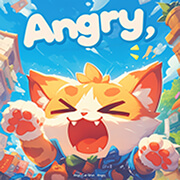
Angry Cat Shot
Popular
Air Turret3D
Popular
GrabPack Playtime
Popular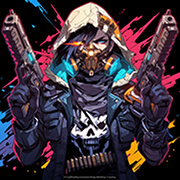
Crazy Shooter
Popular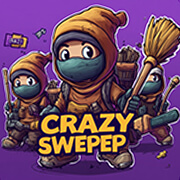
CrazySweep
Popular🌟 Featured Games

Greed Jump
Description: Greed Jump is a captivating and fast-paced arcade game that challenges players to accumulate as much wealth and valuables as possible while navigating treacherous platforms and obstacles. With its charming graphics, intuitive controls, and engaging gameplay, Greed Jump offers a fun and addictive experience that will keep you entertained for hours. Whether you're a fan of arcade games or just looking for a thrilling adventure, Greed Jump is sure to provide an unforgettable experience. How to Play: Use the on-screen controls to jump and navigate through the platforms. Collect valuables and avoid obstacles to accumulate wealth. Use strategic thinking to plan your jumps and overcome challenges. Collect bonuses and rewards for completing levels quickly and efficiently. You can also unlock new levels and challenges as you progress. FAQ: Q: How can I earn more valuables in the game? A: You can earn more valuables by collecting them as you navigate through the platforms. The more valuables you collect, the higher your score will be. Additionally, completing levels quickly and efficiently will earn you bonus points. Q: Are there different types of platforms in the game? A: Yes, the game features a variety of platforms with different characteristics and challenges. Each platform offers a unique experience, keeping the gameplay fresh and exciting. Q: Can I play the game offline? A: Yes, Greed Jump can be played offline, allowing you to enjoy the game anytime and anywhere without an internet connection.
Emoji game
Description: Step into the imaginative world of Emoji Maze, a game where creativity meets strategy! Connect pairs of emotions through clever associations to solve unique puzzles. Choose your favorite emoji, navigate challenging mazes, collect likes, and avoid enemies. Each level brings new challenges that test your logic and quick thinking. It's harder than you think but endlessly fun and rewarding! How to Play: Tap or drag to connect elements from different columns, creating meaningful links to solve puzzles. In maze mode, guide your emoji through twists and turns, collect likes, and avoid enemies. Complete all levels to claim victory and prove your emoji mastery!
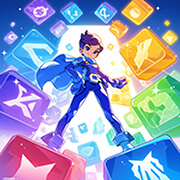
Hex Bubble
Description: Hex Bubble is a captivating and addictive puzzle game that challenges players to match and burst colorful hexagons in a unique and engaging way. With its charming graphics, intuitive controls, and engaging gameplay, Hex Bubble offers a fun and relaxing experience that is perfect for players of all ages. Whether you're a fan of puzzle games or just looking for a fun and colorful way to spend your time, Hex Bubble is sure to keep you entertained. How to Play: Use the on-screen controls to match and burst colorful hexagons. Strategically plan your moves to create larger combos and earn more points. Collect bonuses and rewards for completing levels quickly and efficiently. You can also unlock new levels and challenges as you progress. FAQ: Q: How can I earn more points in the game? A: You can earn more points by creating larger combos of matching hexagons. The more hexagons you match at once, the higher your score will be. Additionally, completing levels quickly and efficiently will earn you bonus points. Q: Are there different types of hexagons in the game? A: Yes, the game features a variety of hexagons with different colors and patterns. As you progress, you will encounter more types of hexagons that offer different tactical advantages.
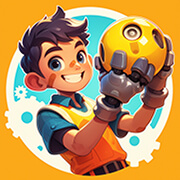
Ball Puzzle
Description: Ball Puzzle is an engaging and challenging puzzle game where players must strategically arrange and connect colored balls to clear levels. With dynamic gameplay mechanics, various obstacles, and increasingly difficult puzzles, players need to employ critical thinking and planning to solve each challenge. The game offers a fun and visually appealing experience for puzzle enthusiasts of all ages. Whether you're a fan of puzzle games or just looking for a fun and brain-teasing challenge, Ball Puzzle is sure to keep you entertained. How to Play: Use the on-screen controls to arrange and connect colored balls. Strategically plan your moves to clear levels and overcome obstacles. Use critical thinking and planning to solve each puzzle. Collect bonuses and rewards for completing levels quickly and efficiently. You can also unlock new levels and challenges as you progress. FAQ: Q: How can I improve my puzzle-solving skills in the game? A: You can improve your puzzle-solving skills by practicing regularly and thinking critically about each puzzle. Pay attention to the game's visual cues and try different approaches to find the best solutions. Q: Are there different types of puzzles in the game? A: Yes, the game features a variety of puzzles with different challenges and requirements. Each puzzle offers a unique experience, keeping the gameplay fresh and exciting.

Fruit Snake
Description: Fruit Snake is a free and fun snake game where the snake loves fruits and your mission is to slither around and eat them all. With its charming graphics, intuitive controls, and engaging gameplay, Fruit Snake offers a fun and relaxing experience that is perfect for players of all ages. Whether you're a fan of snake games or just looking for a fun and fruity adventure, Fruit Snake is sure to keep you entertained. How to Play: Use the on-screen controls to guide the snake around the screen. Eat fruits to grow longer and avoid running into yourself or the edges of the screen. Collect bonuses and rewards for eating fruits and achieving high scores. You can also unlock new levels and challenges as you progress. FAQ: Q: How can I grow longer in the game? A: You can grow longer by eating fruits. The more fruits you eat, the longer your snake will become. Be careful not to run into yourself or the edges of the screen. Q: Are there different types of fruits in the game? A: Yes, the game features a variety of fruits, each with its own unique appearance and point value. As you progress, you will encounter more types of fruits that offer different rewards and challenges.

Tank Wars
Description: Tank Wars is a popular multiplayer video game where players control tanks in a battle arena, competing against each other to eliminate opponents. The game features various modes, including team battles, free-for-all combat, and capture-the-flag scenarios. Players can customize their tanks with different weapons and upgrades, enhancing their combat effectiveness. With its engaging gameplay, charming graphics, and thrilling atmosphere, Tank Wars offers a fun and exciting experience that will keep you coming back for more. Whether you're a fan of multiplayer games or just looking for a thrilling adventure, Tank Wars is sure to provide an unforgettable experience. How to Play: Use the on-screen controls to navigate the battle arena and engage enemies. Select from a variety of weapons and customize your tank to suit your playstyle. Participate in different game modes, including team battles, free-for-all combat, and capture-the-flag scenarios, to test your skills and earn more rewards. FAQ: Q: How can I customize my tank in the game? A: You can customize your tank by selecting from a variety of weapons and upgrades. These can be unlocked by completing missions and earning rewards. Customizing your tank allows you to enhance its combat effectiveness and suit your playstyle. Q: Are there different types of tanks in the game? A: Yes, the game features a variety of tanks with different performance characteristics. As you progress, you will unlock more types of tanks that offer different tactical advantages. Q: Can I play the game in multiplayer mode?
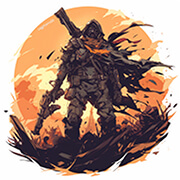
Dead Zed
Description: Dead Zed is a thrilling online zombie survival game that challenges players to defend themselves against relentless waves of undead attackers. In this game, players assume the role of a survivor in a post-apocalyptic world filled with zombies. The primary objective is to survive as long as possible by eliminating zombies and managing resources effectively. With its engaging gameplay, charming graphics, and thrilling atmosphere, Dead Zed offers a fun and exciting experience that will keep you on the edge of your seat. Whether you're a fan of zombie games or just looking for a thrilling adventure, Dead Zed is sure to provide an unforgettable experience. How to Play: Use the on-screen controls to navigate the post-apocalyptic world and defend yourself against zombies. Collect resources and weapons to enhance your survival capabilities. Use strategic thinking to manage your resources and eliminate zombies effectively. Participate in different game modes, including survival mode and mission mode, to test your skills and earn more rewards. FAQ: Q: How can I survive longer in the game? A: You can survive longer by effectively managing your resources and eliminating zombies strategically. Collect weapons and resources to enhance your combat capabilities and stay alert to avoid being overwhelmed by zombies. Q: Are there different types of zombies in the game? A: Yes, the game features a variety of zombies with different abilities and behaviors. As you progress, you will encounter more types of zombies that offer different tactical challenges.

Anime Princess Dressup
Description: Anime Princess Dressup is a fun and creative beauty & styling app that combines fashion and anime culture. Design amazing outfits for cute animatronic characters drawn in manga style. Start with make-up for the beautiful virtual girl and customize her appearance to reflect your style and personality. With its charming graphics, intuitive controls, and engaging gameplay, Anime Princess Dressup offers a fun and relaxing experience that is perfect for players of all ages. Whether you're a fan of fashion or just looking for a fun and creative way to spend your time, Anime Princess Dressup is sure to keep you entertained. How to Play: Use the on-screen controls to select different outfits, accessories, and make-up options to customize the appearance of the virtual girl. Experiment with different styles and designs to create a unique and personalized look. Save your creations and share them with friends or on social media. You can also participate in fashion challenges to test your creativity and earn rewards. FAQ: Q: How can I unlock new outfits and accessories in the game? A: You can unlock new outfits and accessories by completing fashion challenges and earning rewards. Some items may also be available through in-game purchases. Q: Are there different types of anime characters in the game? A: Yes, the game features a variety of anime characters, each with its own unique appearance and style. As you progress, you will unlock more characters that offer different customization options.