Federica Brignone Wins Second Gold at Cortina 2026 With Giant-Slalom Victory
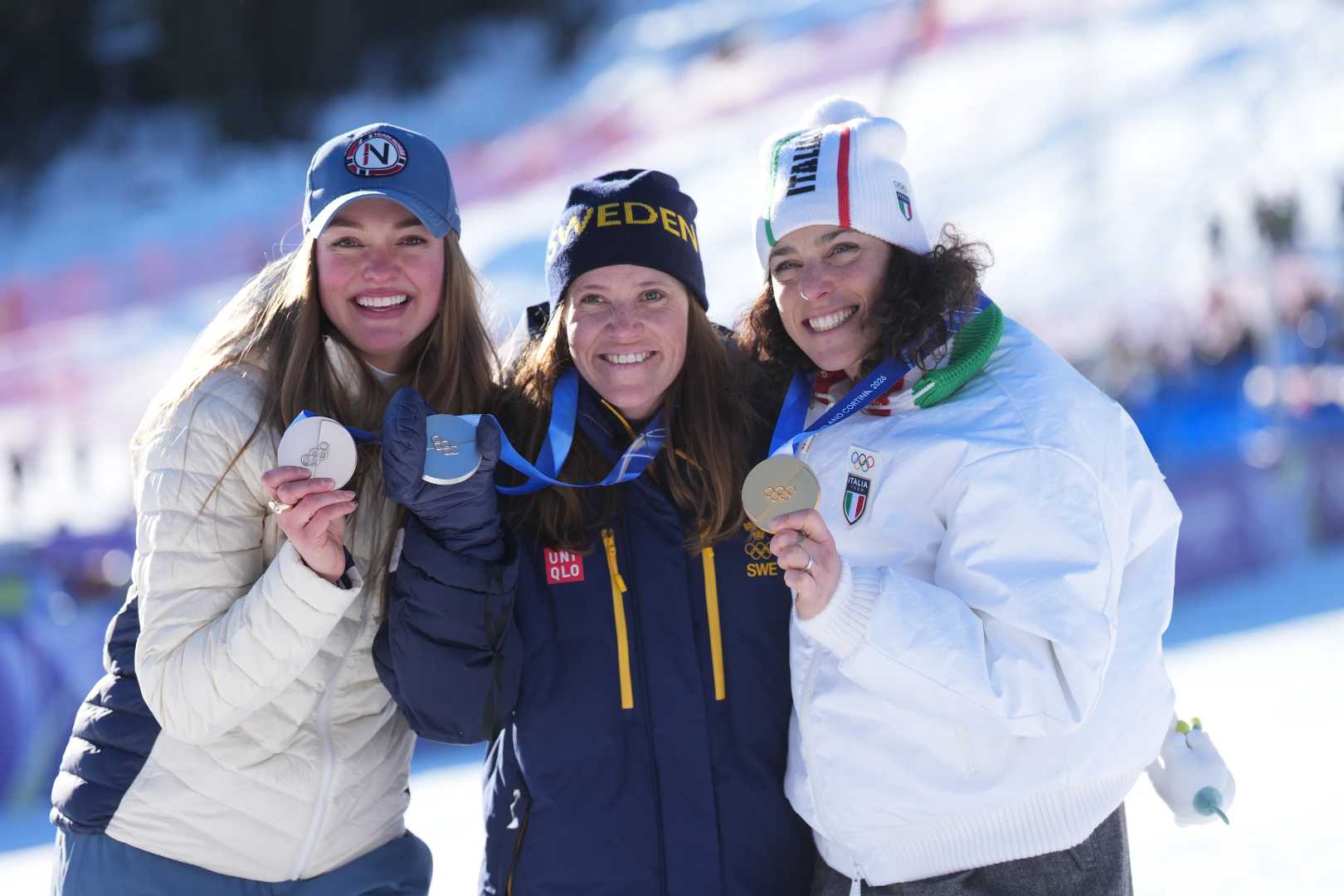
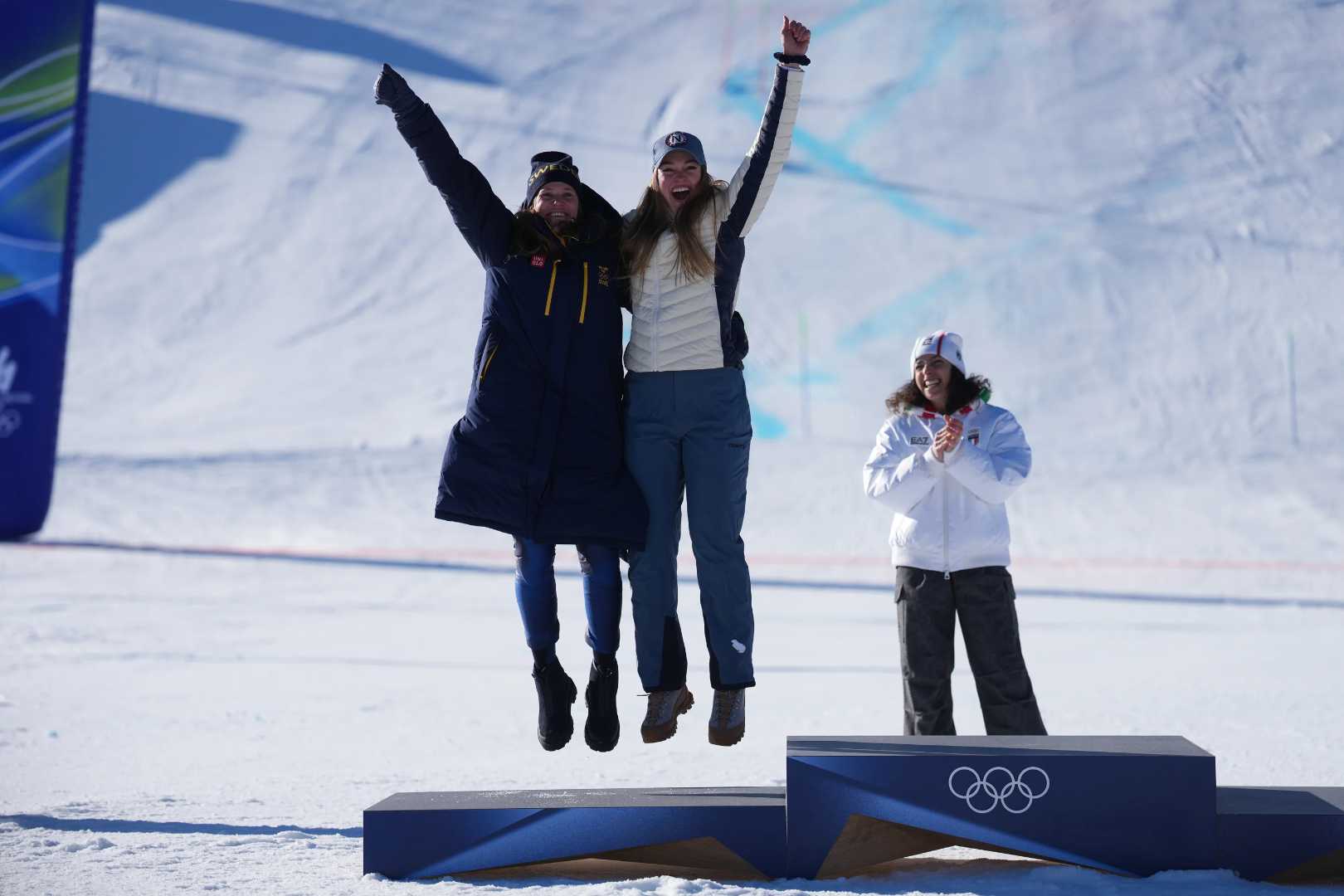
Federica Brignone captured her second gold of the Cortina Games on 15 February, winning the Olympic giant-slalom by 0.62 seconds after earlier triumphing in super-G. Sweden’s Sara Hector and Norway’s Thea Louise Stjernesund finished with identical aggregate times to share silver.
Brignone Completes Comeback With GS Gold
Three weeks after breaking a leg in a January training crash, the 34-year-old Italian laid down a fearless first-run 1:03.23 on the Tofane piste, the only sub-1:04 clocking of the morning. That 0.74-second buffer proved decisive; although Germany’s Lena Duerr trimmed the margin to 0.34 seconds, Brignone answered with a poised second leg, finishing in 2:07.84 and dropping Duerr to fourth. The victory gives the host nation its seventh alpine medal of the meet and elevates Brignone into the rare group of athletes who have won both speed and tech events at the same Winter Games.
Twin Silvers After Dead-Heat Finish
Hector and Stjernesund, both 30, recorded the same 2:08.46 total, down to the hundredth, after two runs. Starting bib 2, Hector set the early benchmark of 1:03.97, a time later matched by Stjernesund and Albania’s Lara Colturi. In the afternoon, Stjernesund nudged into provisional first, only for Hector to stop the clock at the same 1:04.49, replicating the morning symmetry. Race officials confirmed no tie-break protocol applies for second place, awarding matching silver medals and sparing the jury a photo-finish review.
Shiffrin, Goggia Miss Podium in Tight Field
Mikaela Shiffrin entered the day as the World Cup giant-slalom standings leader but never found rhythm on the steep middle flush, ending 0.93 seconds adrift in sixth. Italy’s Sofia Goggia, racing in a sleeveless speedsuit that has become her trademark, threatened with the third-fastest first run but clipped a gate in the final corridor and slipped to fifth. With seven skiers within half a second after run one, the contest echoed the men’s GS 24 hours earlier, where fractions separated the entire top ten.
Course Set Rewarded Precision Over Risk
Designer Fabio Barbaro placed the most technical gates on the rolling terrain just above the finish fan, forcing athletes to float rather than carve. “You had to stay clean through the blind roller at 43,” Stjernesund said. “Miss the line by 15 cm and the ski just takes off.” The setup produced historically tight splits: for the first time in Olympic history, three women shared the same first-run time, and two duplicated the aggregate.
Brignone Credits Low Expectations for Freedom
Speaking beside the finish corral, Brignone admitted she arrived without normal race fitness. “I had no training block, just gym rehab and two days of free-skiing,” she said. “Because nobody expected anything, I could attack without fear.” The double mirrors the feat of her childhood idol Deborah Compagnoni, who swept giant-slalom and super-G at the 1998 Nagano Games, and lifts Brignone to 11 career Olympic/World Championship medals.
Useful Resources
- FIS Alpine Hub – Live timing sheets, start lists and post-race reports for every Olympic alpine event
- Cortina 2026 Course Maps – PDF downloads showing gate numbers, pitch profiles and video fly-throughs of each discipline
- Ski Racing Magazine Injury Protocol Guide – Explains return-to-snow benchmarks used by World Cup medical staff after leg fractures
- OSSA Academy YouTube Channel – Technique breakdowns of Brignone’s GS line versus Shiffrin’s, frame-by-frame
- Team Sweden Alpine Blog – Sara Hector’s weekly training diary entries throughout the rehabilitation that brought her back to Olympic form
Source: Original race report filed 15 February 2026
Comments