


Editor's Pick

Milano Cortina 2026 Ski Jumping Large Hill Final Results

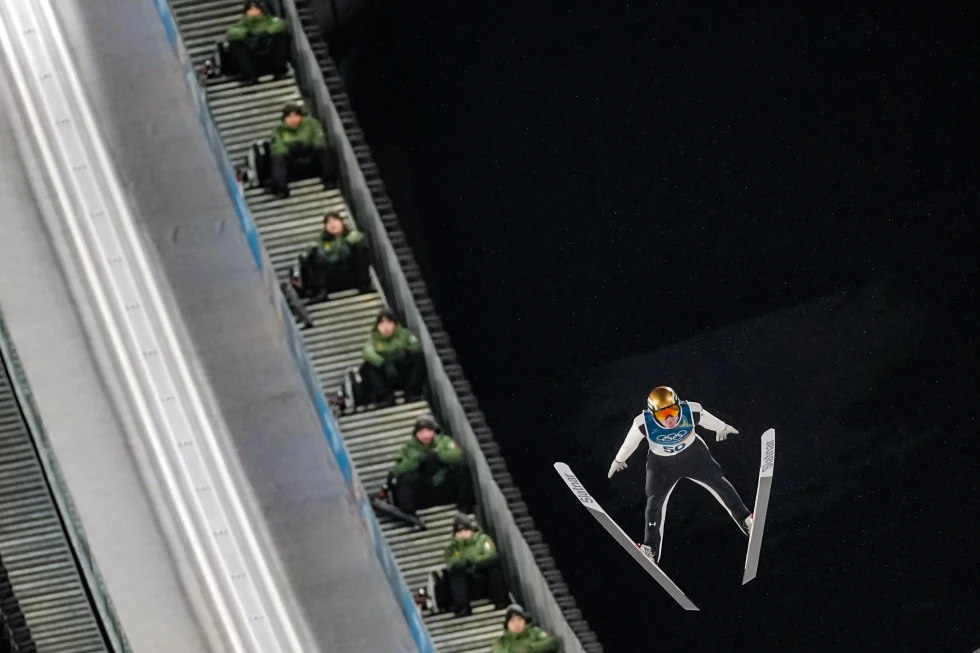
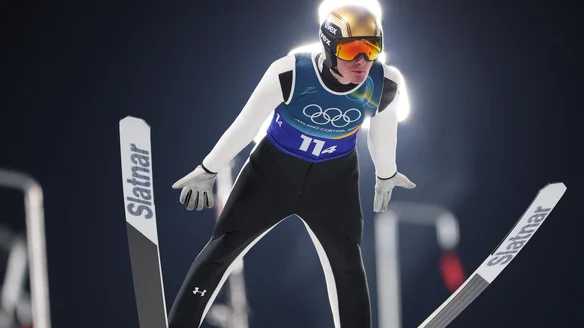
Rain-Soared 141.5-metre Leap Wins Olympic Large-Hill Gold on Final Jump A 141.5-metre hill record on a rain-soaked Predazzo hill decided the Olympic large-hill title, vaulting an athlete from fourth to first on the final jump of the Milano–Cortina 2026 men’s competition. Final-Jump Comeback Erases 7-Point Gap The eventual champion, trailing by seven points after round one, chose a higher start gate and a more aggressive flight position, translating to an extra five metres in the air. That single decision flipped the standings: the overnight leader slipped to silver, while the record leap delivered the jumper’s second gold of these Games following last week’s mixed-team victory. Bronze went to a World-Cup rookie who overtook a former world champion on his second effort, underscoring how two-round ski-jumping formats magnify single-jump volatility. Siblings Rewrite Olympic History Books The victory also etched a new family milestone: the winner and his sister—who teamed up in the mixed event—became the fourth set of siblings from one household to own Olympic ski-jumping medals, joining previous Norwegian and Slovenian sets. Coaches attribute such lineage success to early access to specialized hills, shared wax cabins and synchronized video analysis that shorten learning curves. With all three individual podium athletes first-time Olympians, the result signals a generational shift in a discipline long dominated by 30-something veterans. Hill Record Puts Scoring Sensitivity on Display Measured at 141.5 m, the winning distance eclipsed the old Predazzo mark by 1.5 m despite headwinds that forced officials to lower the start gate twice. Under large-hill scoring tables, each additional metre beyond the “K-point” yields roughly 1.8 points—enough to render style scores secondary when gaps exceed four metres. The swing validated coaches’ pre-event simulations showing that a 4.5-metre edge could overcome a seven-point deficit, a scenario that materialised almost exactly. Precipitation Tests Equipment and Preparation Protocols Steady sleet and −6 °C air turned the in-run track glassy, prompting technicians to hand-brush micro-structures into ski bases between jumps to retain wax adhesion. Aerodynamic suits, normally calibrated for sub-0.3 drag coefficients, absorbed atmospheric moisture that could add fractional kilos—sufficient to shorten flight by roughly 0.6 m according to wind-tunnel data. Athletes from continental climates, accustomed to variable snow, adjusted binding positions forward 2 mm to stabilise flight; those from maritime indoor facilities largely skipped the tweak and paid on the scoreboard. Emerging Nations Mirror European Development Arc Poland’s bronze, won on infrastructure built for the 2017 junior worlds, fits a five-to-ten-year cycle in which new hills precede global podiums. Japan’s silver extends Asia’s gradual encroachment on European dominance, a trend the International Ski and Snowboard Federation (FIS) cites when lobbying the IOC for quota expansions. Both outcomes feed the federation’s argument that ski jumping’s geographic footprint is widening, a key metric for programme retention beyond 2030. Sources: FIS official ski-jumping rules; Predazzo live hill data; “Ski Jumping Science” YouTube channel; Olympic Channel documentary “Flight Family”

Penelope Lane · Ski Jumping 2026-03-12 11:45
Featured

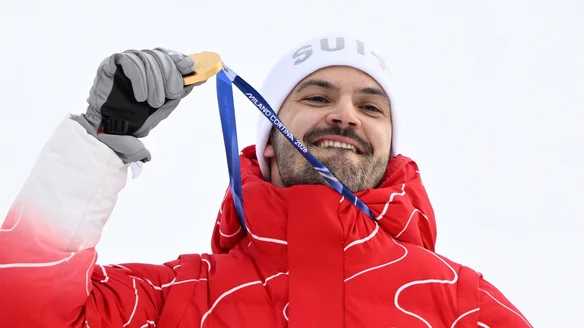
Loic Meillard Wins Slalom Gold for Olympic Medal Set at Milano Cortina 2026

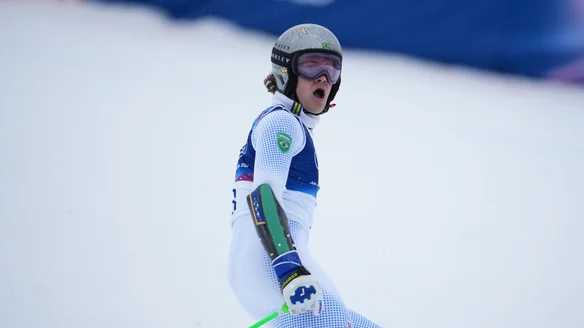
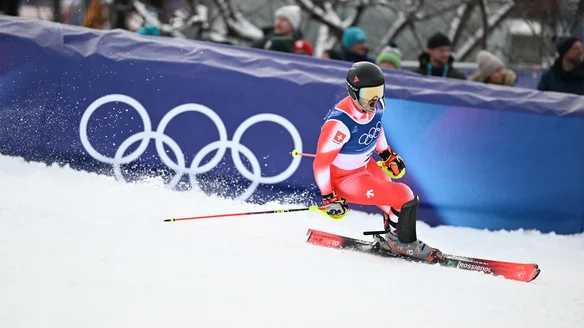
Loic Meillard turned earlier slalom bronze and giant-slalom silver into Olympic gold on Sunday, completing Switzerland’s first men’s three-medal sweep since Calgary 1988. Meillard Wins Slalom Gold After McGrath DNF Starting last among the leaders, the 27-year-old from Neuchâtel needed only to stay upright after Norway’s Atle Lie McGrath straddled gate five and recorded a DNF. Meillard punched the air at the next split, then coasted home with a 0.37-second cushion, finishing in 1:53.46 for the two runs. Fabio Gstrein of Austria took silver, 0.28 back, while four-time Crystal Globe winner Henrik Kristoffersen of Norway earned bronze, 0.89 behind, stretching his major-championship podium streak to nine. Heavy Snow Hammers First Run, Ends Greek Skier’s Career Snow fell so hard in Bormio that visibility dropped below 60 metres, yet McGrath still posted a 56.14 that no one matched. Meillard’s 56.73 was the only other sub-57 time. Timon Haugan and Gstrein stayed within a second; defending champion Clément Noel of France lost nearly two. Lucas Braathen’s bid for a second Brazilian medal ended at gate 14, and a rash of DNFs—including Manuel Feller, Alex Vinatzer and Eduard Hallberg—cut the field to 31 qualifiers. Bib 20-30 saw AJ Ginnis of Greece ski a clean 59.42, wave to family in the finish area, and confirm his retirement after 14 seasons and a 2023 World Championship silver. “I traded sea breeze for start gates,” Ginnis said. “Zero regrets.” Gstrein Delivers Austria’s Lone Men’s Alpine Medal Gstrein’s second-run 57.07 was not the fastest, but it protected a 0.78-second overnight lead and pushed him past Haugan into the medals. “I told myself, ‘Green light equals podium,’” the 26-year-old Salzburger said. The silver is his first at a global championship and Austria’s only men’s alpine medal of the Games after shutouts in downhill, super-G and combined. Kristoffersen Grabs Bronze on “Off Day” Kristoffersen, who turns 32 next month, said he “never found rhythm” yet still edged first-run pacesetter Tanguy Nef of Switzerland by 0.89 and Armand Marchant of Belgium by 0.02. The bronze is his fourth across three Olympics and adds to six World Championship podiums. “Bronze on a bad day beats fourth on a perfect one,” he shrugged, recalling his own straddle in PyeongChang 2018: “I’ve been Atle—so I know the sting.” Records and Next Races Meillard becomes the first Swiss man to collect three medals at one Winter Games and only the fifth alpine skier ever to sweep gold, silver and bronze, joining Janica Kostelić and Tina Maze among others. Switzerland finishes the alpine program with four medals, matching Austria for the most by any nation. Focus now shifts to the women’s slalom on 18 February, where Mikaela Shiffrin, Wendy Holdener and Petra Vlhová could close the Milano-Cortina fortnight with another milestone. Useful Resources FIS official results portal Swiss-Ski athlete hub “Inside the Gates” podcast Ski Racing Media archive Source: Original race reporting

Michael Brown · Ski Mountaineering 2026-03-12 11:23
Featured

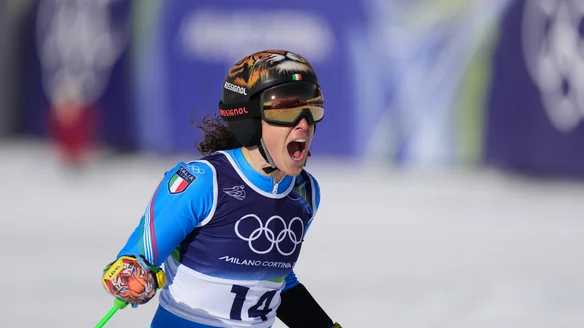
Federica Brignone Wins Second Gold in Cortina Giant Slalom

Federica Brignone Wins Second Gold at Cortina 2026 With Giant-Slalom Victory Federica Brignone captured her second gold of the Cortina Games on 15 February, winning the Olympic giant-slalom by 0.62 seconds after earlier triumphing in super-G. Sweden’s Sara Hector and Norway’s Thea Louise Stjernesund finished with identical aggregate times to share silver. Brignone Completes Comeback With GS Gold Three weeks after breaking a leg in a January training crash, the 34-year-old Italian laid down a fearless first-run 1:03.23 on the Tofane piste, the only sub-1:04 clocking of the morning. That 0.74-second buffer proved decisive; although Germany’s Lena Duerr trimmed the margin to 0.34 seconds, Brignone answered with a poised second leg, finishing in 2:07.84 and dropping Duerr to fourth. The victory gives the host nation its seventh alpine medal of the meet and elevates Brignone into the rare group of athletes who have won both speed and tech events at the same Winter Games. Twin Silvers After Dead-Heat Finish Hector and Stjernesund, both 30, recorded the same 2:08.46 total, down to the hundredth, after two runs. Starting bib 2, Hector set the early benchmark of 1:03.97, a time later matched by Stjernesund and Albania’s Lara Colturi. In the afternoon, Stjernesund nudged into provisional first, only for Hector to stop the clock at the same 1:04.49, replicating the morning symmetry. Race officials confirmed no tie-break protocol applies for second place, awarding matching silver medals and sparing the jury a photo-finish review. Shiffrin, Goggia Miss Podium in Tight Field Mikaela Shiffrin entered the day as the World Cup giant-slalom standings leader but never found rhythm on the steep middle flush, ending 0.93 seconds adrift in sixth. Italy’s Sofia Goggia, racing in a sleeveless speedsuit that has become her trademark, threatened with the third-fastest first run but clipped a gate in the final corridor and slipped to fifth. With seven skiers within half a second after run one, the contest echoed the men’s GS 24 hours earlier, where fractions separated the entire top ten. Course Set Rewarded Precision Over Risk Designer Fabio Barbaro placed the most technical gates on the rolling terrain just above the finish fan, forcing athletes to float rather than carve. “You had to stay clean through the blind roller at 43,” Stjernesund said. “Miss the line by 15 cm and the ski just takes off.” The setup produced historically tight splits: for the first time in Olympic history, three women shared the same first-run time, and two duplicated the aggregate. Brignone Credits Low Expectations for Freedom Speaking beside the finish corral, Brignone admitted she arrived without normal race fitness. “I had no training block, just gym rehab and two days of free-skiing,” she said. “Because nobody expected anything, I could attack without fear.” The double mirrors the feat of her childhood idol Deborah Compagnoni, who swept giant-slalom and super-G at the 1998 Nagano Games, and lifts Brignone to 11 career Olympic/World Championship medals. Useful Resources FIS Alpine Hub – Live timing sheets, start lists and post-race reports for every Olympic alpine event Cortina 2026 Course Maps – PDF downloads showing gate numbers, pitch profiles and video fly-throughs of each discipline Ski Racing Magazine Injury Protocol Guide – Explains return-to-snow benchmarks used by World Cup medical staff after leg fractures OSSA Academy YouTube Channel – Technique breakdowns of Brignone’s GS line versus Shiffrin’s, frame-by-frame Team Sweden Alpine Blog – Sara Hector’s weekly training diary entries throughout the rehabilitation that brought her back to Olympic form Source: Original race report filed 15 February 2026

Robert Johnson · Ski Mountaineering 2026-03-11 18:36
Featured

Domen Prevc Wins Large Hill Gold at Milano Cortina 2026 Olympics

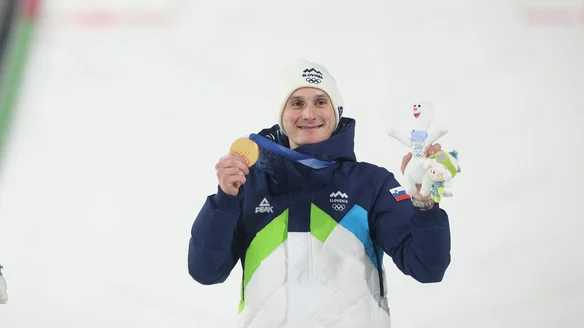
Domen Prevc leaps 141.5 m in swirling snow at Predazzo to snatch Olympic large-hill gold, handing Slovenia its first men’s individual ski-jumping title and completing a clean sweep of every major honour before his 24th birthday. Prevc’s 141.5 m Jump Erases 7-Point Deficit Trailing Japan’s Ren Nikaido by seven points after round one, Prevc launched from the Trampolino dal Ben K-125 into steady graupel and out-distanced the field by five metres. Judges scored the flight 157.7 points, flipping the gap into a 6.8-point victory and adding a second Milano-Cortina 2026 gold to the normal-hill crown he seized eight days ago. Nikaido Bags Third Medal of the Games Nikaido’s 136.5 m second jump delivered silver—his third podium of the Olympics, matching the Japanese single-Games record set by Nordic-combined legend Samurai Yukito in 1998. Headwinds cut his distance short, yet the 21-year-old from Sapporo kept his podium streak intact. Tomasiak Grabs Bronze in Rookie Winter Poland’s Kacper Tomasiak, still in his first World Cup season, matched his normal-hill silver with two 138.5 m efforts that nudged Norway’s Kristoffer Eriksen Sundal to fourth. “I finally found the same hip timing I had on the normal hill,” Tomasiak said; at 20 he is the youngest Polish man to own two Olympic ski-jumping medals. Mizernykh Eighth as Kazakhstan Posts Best Jump Result Ilya Mizernykh, 19, opened with the day’s longest leap—140.5 m—for a national-record eighth place. His 281.6 total points edged former world champion Stefan Kraft and signalled Central Asia’s arrival in a sport long ruled by Alpine and Nordic nations. Aigro Jumps on Healing Foot; Stoch Exits Estonia’s Artti Aigro, cleared only after skipping the normal hill, qualified on a recently broken navicular and finished 26th with flights of 124.5 m and 125.5 m. Minutes later Kamil Stoch, 37, landed 131.5 m in the final competitive jump of a six-Games career that yielded three Olympic golds. “I hoped for more metres, but the emotions are already overflowing,” the Pole said. Prevc now holds every 2026 marquee title—Olympic, World, Four Hills, Ski-Flying—and, barring collapse, the impending World Cup crystal globe. Oddsmakers cut his season Globe price to –400 on Sunday evening, reflecting a dominance not seen since Sven Hannawald’s 2002 grand-slam winter. Monday brings the inaugural Olympic Super-Team event, a mixed-gender knockout designed to widen ski jumping’s television reach before the torch is extinguished next weekend. How to Keep Watching After the Games Stream remaining World Cup stops on the FIS website or Eurovision Sport geo-feed. Download the official FIS Ski Jumping app for live wind readings and athlete alerts. Try a beginner session at your nearest plastic-summer hill—most rent 2.5-metre skis and run coached “bunny” ramps. Follow national federation social feeds; many teams hold open summer trials for teenagers 14–18. Source: FIS, Team Slovenia media desk

Emily Williams · Ski Jumping 2026-03-11 11:57
Featured

US Women’s Hockey Team Chooses Flavor Flav Vegas Party Over White House

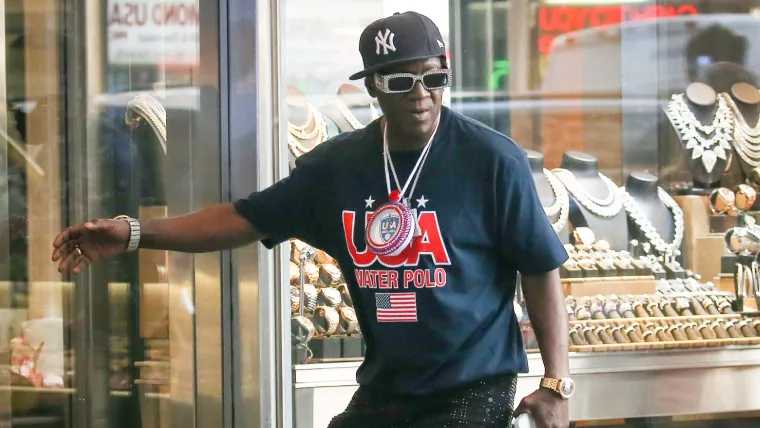
U.S. Women’s Hockey Team to Celebrate 2026 Olympic Gold on Las Vegas Strip After Skipping White House VisitThe reigning Olympic champions will headline “She Got Game Weekend,” July 16-19, after declining a last-minute invitation to President Trump’s March 4 State of the Union address.Team Rejects Late White House Invite, Chooses Vegas TributeThe Americans captured back-to-back golds on February 2, beating Canada 2-1 in overtime at Milan’s Forum di Milano. A White House invitation landed only days before the March 4 speech, forcing players to juggle cross-country travel against existing Professional Women’s Hockey League and college schedules. USA Hockey issued a one-sentence statement—“Logistics prevent us from coming, but we are honored”—and expected the story to fade. It didn’t. Within hours, video circulated of President Trump calling the women an “add-on” to the men’s roster. Rapper Flavor Flav responded on X: “Y’all deserve your OWN celebration; let Uncle Flav handle it.”Flavor Flav Funds All-Medalists Weekend on StripFlavor Flav has booked an unnamed Strip arena for mid-July to salute every U.S. woman who medaled at the 2026 Winter Games, Paralympians included. A GoFundMe launched February 24 has already raised USD 190,000 toward a USD 500,000 goal. StubHub has pledged VIP suites, Delta will cover flights, and Alaska Airlines will waive gear-shipping fees. Organizers say leftover cash will become micro-grants for athletes who left salaried jobs to train through the four-year cycle.Rapper’s Olympic Spending Spree Reaches Water Polo and BobsledThe Vegas party caps a sponsorship streak that started in October 2025, when Flavor Flav signed a five-year deal to underwrite both U.S. water-polo teams and later added the national bobsled and skeleton programs. He stood track-side February 1 as Elana Meyers-Taylor captured monobob gold, handing out gold-plated clocks to fans. “People forget these sports exist until the next Olympics,” he told NBC. “I’m putting my money where my clock is.”Athletes Use Funds for Rent, Childcare, Not Just EquipmentUSA Bobsled CEO Aron McGuire says Flav’s USD 250,000 check financed new sleds and an overseas training block that helped secure two women’s bobsled medals in Milan. Water-polo captain Ashleigh Johnson credits the rapper’s social-media plugs for a 38-percent jump in ticket sales at the 2025 Pro League Super Final. Unlike equipment-only deals, the money can cover rent, tuition, or childcare—costs that mount during quadrennial training cycles.July Event Eyes Brands Still Skipping Women’s SportsForward Alex Carpenter, whose overtime winner sealed the gold, says the team will fly to Vegas between a Thursday PWHL game in Montreal and a Tuesday match in Minnesota. Carpenter hinted at a celebrity scrimmage paired with a fan skate-and-concert session. Off the ice, USA Hockey executives hope the weekend’s spotlight will lure corporate sponsors who still bypass the women’s program despite consecutive Olympic titles and rising PWHL viewership.Action StepsTrack the GoFundMe “She Got Game Weekend” page for live funding totals and athlete guest-list updates.  PWHL season-ticket holders can catch Carpenter & Co. in Montreal or Minnesota before they jet to Vegas—buy early; Olympic buzz is lifting demand.  Brands interested in activation packages can contact USA Hockey corporate partnerships staff; the window for July title-sponsor slots closes May 1.  Fans attending the Strip event should reserve hotel blocks released through the official “She Got Game” link to avoid third-party mark-ups.  College programs aiming to replicate Flav’s micro-grants can download the grant-template PDF USA Hockey will publish after the July gala.

Sarah Miller · 2026 winter olympics 2026-03-10 18:40
US Women’s Hockey Team Chooses Flavor Flav Vegas Party Over White House

US Women’s Hockey Team Chooses Flavor Flav Vegas Party Over White House

U.S. Women’s Hockey Team to Celebrate 2026 Olympic Gold on Las Vegas Strip After Skipping White House VisitThe reigning Olympic champions will headline “She Got Game Weekend,” July 16-19, after declining a last-minute invitation to President Trump’s March 4 State of the Union address.Team Rejects Late White House Invite, Chooses Vegas TributeThe Americans captured back-to-back golds on February 2, beating Canada 2-1 in overtime at Milan’s Forum di Milano. A White House invitation landed only days before the March 4 speech, forcing players to juggle cross-country travel against existing Professional Women’s Hockey League and college schedules. USA Hockey issued a one-sentence statement—“Logistics prevent us from coming, but we are honored”—and expected the story to fade. It didn’t. Within hours, video circulated of President Trump calling the women an “add-on” to the men’s roster. Rapper Flavor Flav responded on X: “Y’all deserve your OWN celebration; let Uncle Flav handle it.”Flavor Flav Funds All-Medalists Weekend on StripFlavor Flav has booked an unnamed Strip arena for mid-July to salute every U.S. woman who medaled at the 2026 Winter Games, Paralympians included. A GoFundMe launched February 24 has already raised USD 190,000 toward a USD 500,000 goal. StubHub has pledged VIP suites, Delta will cover flights, and Alaska Airlines will waive gear-shipping fees. Organizers say leftover cash will become micro-grants for athletes who left salaried jobs to train through the four-year cycle.Rapper’s Olympic Spending Spree Reaches Water Polo and BobsledThe Vegas party caps a sponsorship streak that started in October 2025, when Flavor Flav signed a five-year deal to underwrite both U.S. water-polo teams and later added the national bobsled and skeleton programs. He stood track-side February 1 as Elana Meyers-Taylor captured monobob gold, handing out gold-plated clocks to fans. “People forget these sports exist until the next Olympics,” he told NBC. “I’m putting my money where my clock is.”Athletes Use Funds for Rent, Childcare, Not Just EquipmentUSA Bobsled CEO Aron McGuire says Flav’s USD 250,000 check financed new sleds and an overseas training block that helped secure two women’s bobsled medals in Milan. Water-polo captain Ashleigh Johnson credits the rapper’s social-media plugs for a 38-percent jump in ticket sales at the 2025 Pro League Super Final. Unlike equipment-only deals, the money can cover rent, tuition, or childcare—costs that mount during quadrennial training cycles.July Event Eyes Brands Still Skipping Women’s SportsForward Alex Carpenter, whose overtime winner sealed the gold, says the team will fly to Vegas between a Thursday PWHL game in Montreal and a Tuesday match in Minnesota. Carpenter hinted at a celebrity scrimmage paired with a fan skate-and-concert session. Off the ice, USA Hockey executives hope the weekend’s spotlight will lure corporate sponsors who still bypass the women’s program despite consecutive Olympic titles and rising PWHL viewership.Action StepsTrack the GoFundMe “She Got Game Weekend” page for live funding totals and athlete guest-list updates.  PWHL season-ticket holders can catch Carpenter & Co. in Montreal or Minnesota before they jet to Vegas—buy early; Olympic buzz is lifting demand.  Brands interested in activation packages can contact USA Hockey corporate partnerships staff; the window for July title-sponsor slots closes May 1.  Fans attending the Strip event should reserve hotel blocks released through the official “She Got Game” link to avoid third-party mark-ups.  College programs aiming to replicate Flav’s micro-grants can download the grant-template PDF USA Hockey will publish after the July gala.

Sarah Miller · 2026 winter olympics 2026-03-10 18:40
2026 Winter Olympics Medalists Receive Tina the Stoat Mascot Plush

2026 Winter Olympics Medalists Receive Tina the Stoat Mascot Plush

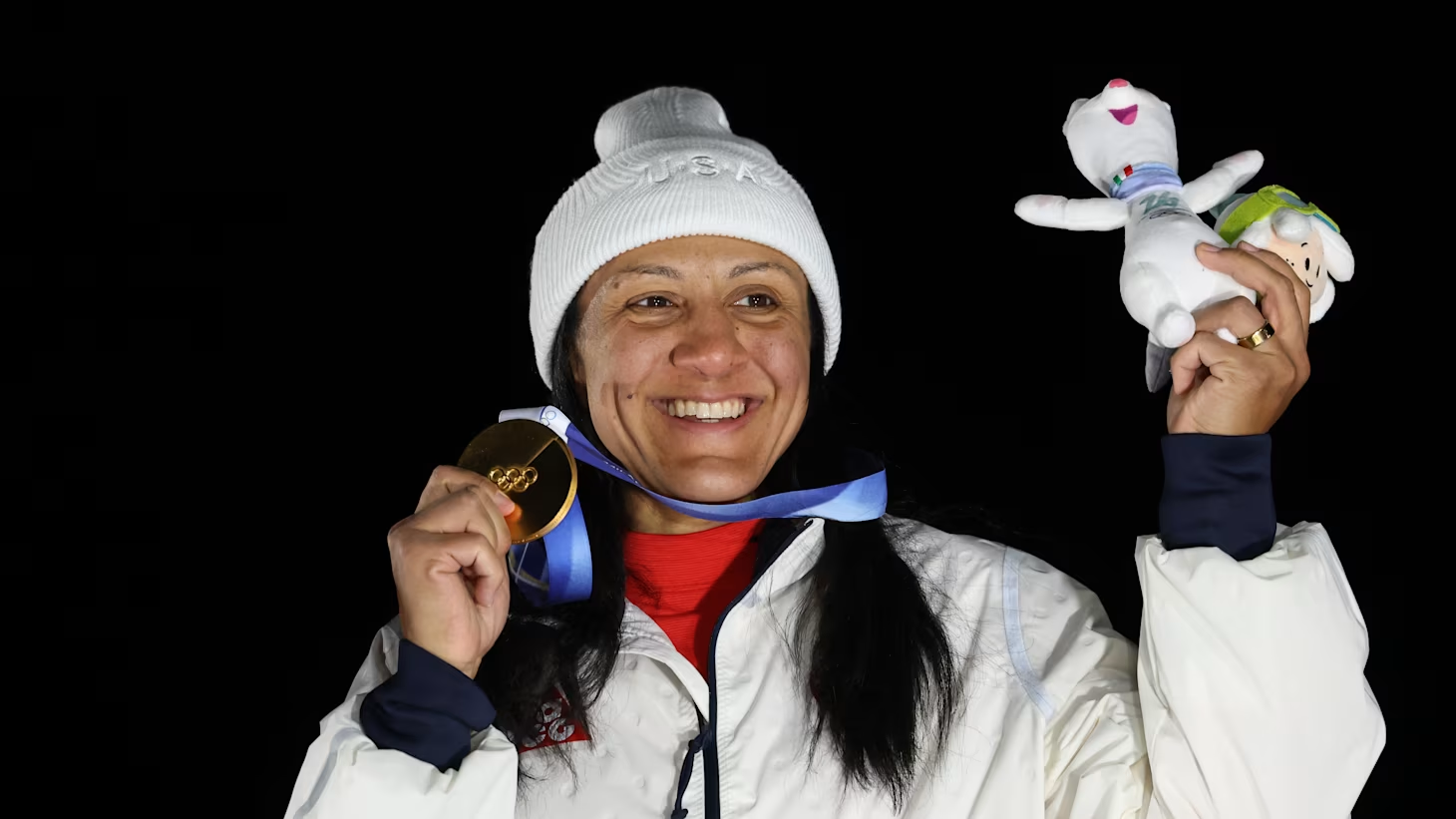
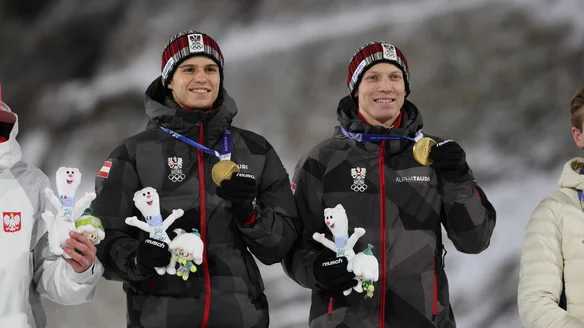
Every 2026 Winter Games medalist left the rink last week with two souvenirs: the customary disc of colored metal and a palm-sized white stoat named Tina.Milano-Cortina Adds Plush Mascot to Medal CeremoniesFor the first time at a Winter Games, organizers paired the medal with an instant mascot gift. Seconds after the anthem ended, athletes stepped to a side dais where volunteers tucked a miniature Tina—black-tipped tail included—into each gloved hand. The idea, lifted from Summer Youth Olympics since 2010, turned normally reserved downhillers into smiling toy-holders under the floodlights of Cortina’s Ice Stadium.Who Are Tina and FloTina is the winter-phase stoat, fur bleached to alpine white; Milo is her chestnut summer coat, used mainly in branding. Flo, a thumb-high snow sprite, perches on Tina’s shoulder in posters but was produced as a separate four-centimeter plush so fans can pair them. Stoats—locally “ermellini”—have hunted along Dolomite river stones for centuries, making the mustelid a region-specific pick instead of the usual bear or lynx.Same Stoat for Gold, Silver, and BronzeIOC rules split Olympic hardware into placement awards (medals) and cultural keepsakes (plushes). Because plushes are “non-placement victory mementoes,” every athlete on the podium receives identical toys. Canadian goaltender Logan Thompson, back at Washington’s morning skate three days later, called the stoat “a small nod to the mountains we competed in” before slipping it into his equipment bag bound for Arlington.Resale Prices Hit €120 Within 48 HoursRoughly 1,800 medals were handed out, capping the Tina-plus-Flo duo at under 4,000 units. Within two days of the men’s hockey final, German site Kleinanzeigen listed sealed pairs at €120–€150; single Tinas moved at €70. Olympics.store says no restock is planned, pushing Facebook group “Olympic Plush Trackers” to log which athletes are auctioning theirs for youth-sport charities.Where Fans Can Still Find Official ItemsRetail versions may appear on Olympics.store after the March 15 Paralympic closing, but quantities will be limited. Autograph hunters can target figure-skating medalists’ “fan ice” sessions in Torino next month; most athletes pack their plushes for promos. Photograph the certificate card stitched inside each toy—buyers now want proof of podium origin, and the serial prefix “MC-26-V” marks victory-ceremony issue.Useful Resources  Olympics.store – Official post-Games restock alerts for Milano-Cortina mascot merchandise  Olympic World Library Mascot Archive – Historical reference for every Winter and Summer Games mascot since 1968  Mustelid Conservation Group – Fact sheets on stoat habitat and seasonal coat change, useful for educators  Team USA Auctions – Verified charity listings where American athletes occasionally auction podium souvenirs

Robert Williams · 2026 winter olympics 2026-03-10 11:27
Milano-Cortina 2026 Gold Medal Melt Value Hits Record $2,500

Milano-Cortina 2026 Gold Medal Melt Value Hits Record $2,500

Milano-Cortina 2026 Gold Medals Now Worth $2,500 in Raw Metal AloneGold-plated first-place medals for the 2026 Winter Games carry an intrinsic metal value of roughly $2,500 apiece, the highest melt price on record for any Olympic podium prize.Precious-Metal Rally Doubles Medal Costs Since Paris 2024Global bullion markets have sprinted ahead of athletes. From the moment the Paris cauldron was lit on 26 July 2024 to this week, spot gold has vaulted 110 percent to just above $5,000 an ounce, while silver has surged 180 percent to about $78. Those moves translate directly into the 6-gram gold plating mandated for every Milano-Cortina gold medal, pushing the thin veneer alone past the $1,000 mark. Beneath the coating sits 92.5 percent sterling silver weighing roughly 500 g, itself now worth another $1,300. Add machining tolerances and the combined melt value lands between $2,300 and $2,500, according to CNBC metals reporter Luke Fountain. Silver medals—cast from 500 g of the same silver alloy—trade near $1,400, while 420 g bronze disks fetch barely five dollars, scarcely enough for an espresso in Milan.IOC Weight Rule Caps Gold at Six Grams to Control CostsThe International Olympic Committee codified the six-gram limit after Stockholm 1912, the last Games to award solid-gold medals. At today’s prices a 506-gram disk of 24-karat gold would exceed $90,000, pricing even the host nation out of a replacement should one disappear. By plating sterling silver with a whisper-thin gold shell, organizers keep the iconic color while limiting replacement exposure. The statute also standardizes heft: every Milano-Cortina medal must weigh about 506 grams so that a speed-skater’s neck bears the same load as a bobsled brakeman’s.Geopolitical Tension Drives 18-Month Bullion BoomMetals analysts trace the rally to a stack of overlapping anxieties. Inflation remains above pre-2020 baselines in most G-7 economies, while sanctions, shipping disruptions, and energy shocks have sent investors toward tangible stores of value. Silver’s sharper climb—tripling in 18 months—reflects industrial demand layered on top of safe-haven buying; photovoltaic plants alone now consume roughly 15 percent of annual supply. Copper, by contrast, has lagged amid a global construction slowdown, leaving bronze medals with roughly the same scrap value they held at Beijing 2022.Collectors Prize Legacy Over Melt WeightMeasured against other sports hardware, the Olympic medal’s melt value is modest. The WBC “Money Belt” awarded to elite boxers contains 1.5 kg of 24-karat gold—about $275,000 in bullion alone. A typical Super Bowl ring, cast in 10- or 14-karat gold and weighing 100-150 g, melts for roughly $10,000. Yet auction records show collectors will pay six-figure premiums for any medal tied to a transcendent performance, a reminder that alloy prices rarely decide legacy.Teams Raise Insurance as Athletes Prepare to Wear BullionWhen alpine skiers rocket down the Stelvio slope in Bormio or short-track skaters circle the Milan Ice Rink next February, the disks tapping their jackets will broadcast a real-time snapshot of late-2025 market stress. Athletes themselves remain largely indifferent. “You don’t train ten years for $2,500 of metal,” U.S. speed-skating head coach Matt Kooreman said last week. Still, national Olympic committees have quietly raised coverage limits for travelling delegations, and logistics staff now store spare medals in tamper-proof cases normally reserved for gemstones. In the athletes’ village, security teams have already rehearsed escort drills—just in case.Athlete Insurance and Security MeasuresInternational Olympic Committee medal specifications – official PDF listing weight, diameter, and required metal purity for every Games  London Bullion Market Association – twice-daily benchmark prices for gold and silver used by CNBC’s valuation model  U.S. Mint bullion sales report – monthly public data tracking investor demand spikes tied to geopolitical events  Olympic World Library medal archive – searchable photo database of victory medals from Athens 1896 to present  ESPN Films documentary “Inside the Super Bowl Ring” – 30-minute breakdown of how championship jewelry is valued and insuredSources: CNBC, International Olympic Committee, London Bullion Market Association, U.S. Mint, Olympic World Library, ESPN Films

Jennifer Jones · 2026 winter olympics 2026-03-08 18:14
2026 Winter Olympics Results: Velzeboer, Meillard, Meyers Taylor Claim Gold

2026 Winter Olympics Results: Velzeboer, Meillard, Meyers Taylor Claim Gold

Velzeboer Adds 1000 m Gold, Completes Dutch Sweep of Short-Track Titles All four Olympic short-track golds won by the Netherlands at Milano–Cortina 2026 after Xandra Velzeboer’s 1000 m victory on 16 February. Dutch Women Lock Out 1000 m Podium Velzeboer crossed the line in 1:28.437, 0.086 seconds ahead of Canada’s Courtney Sarault and 0.177 clear of Korea’s Kim Gilli. The 24-year-old had already claimed the 500 m crown three days earlier, giving her a perfect sweep of the individual events. Italy’s Arianna Fontana, chasing an 11th Olympic short-track medal, finished fourth; China’s Gong Li placed fifth. Meillard Clinches Swiss Slalom Gold Loïc Meillard posted the fastest combined time of 1:53.61 to win the men’s slalom at Sestriere, Switzerland’s third alpine gold of the Games. Austria’s Fabio Gstrein took silver, 0.35 seconds back, while Norway’s Henrik Kristoffersen surged from sixth to bronze with a blistering second run. Pre-race favorites Lucas Pinheiro Braathen and Atle Lie McGrath both straddled gates on the steep middle pitch, part of a pattern that eliminated six of the top 30 starters. Austria Wins Inaugural Super Team Ski Jump Jan Hoerl and Stephan Embacher combined for 568.7 points to capture the first Olympic men’s super team title on the HS-140 hill. Poland dropped from first to silver on 547.3 as headwinds strengthened; Norway earned bronze with 538.0. Officials cancelled the planned knockout round after falling snow cut visibility below safety limits. Meyers Taylor Rallies for Monobob Gold Elana Meyers Taylor, 39, became the first U.S. woman to win Olympic monobob, overturning a 0.12-second deficit with the fastest fourth run at Cesana Pariol. Her total time of 4:21.17 edged Germany’s Laura Nolte by 0.04 seconds and American teammate Kaillie Humphries by 0.12 in the closest three-sled finish since women’s bobsleigh debuted in 2002. The gold is Meyers Taylor’s fifth across five Winter Games, a U.S. record. Oldham Beats Gu for Big Air Win Canada’s Megan Oldham landed consecutive left double cork 1260s to score 180.75 and edge China’s Eileen Gu in women’s big air at Milano Cortina. Gu’s 179.00 gave her a fifth career Olympic medal, the most by any female freestyle skier. Italy’s Flora Tabanelli thrilled the crowd with a 94.25-point final jump—highest single score of the night—before settling for bronze on 178.25. Japan, Georgia Claim First-Ever Pairs Skating Titles Miura Riku and Kihara Ryuichi vaulted from fifth to gold with a personal-best 143.26 free skate, becoming Japan’s first Olympic pairs champions. Georgia earned its maiden Winter medal through Anastasiia Metelkina and Luka Berulava, whose 221.75 total slipped past Germany’s Minerva Fabienne Hase and Nikita Volodin (219.09) for silver. The result ends a German streak that had produced every Olympic pairs medal since 2002. USA-Canada Set for Another Hockey Final Team USA and Canada will meet in an eighth straight Olympic women’s ice hockey final on 19 February after semi-final wins. The Americans shut out Sweden 5-0, stretching their clean-sheet run to five games; Canada edged Switzerland 2-1 on captain Marie-Philip Poulin’s record 20th Olympic goal. Broadcasters expect another North-American primetime draw despite earlier-round ratings dips in Europe. What to Watch Next 19 Feb., 20:15 CET – women’s hockey final Meyers Taylor’s final monobob run – cited by coaches as a pressure-proof push phase Slalom World Cup – Meillard’s win hints at Swiss momentum ahead of 2027 Worlds Source: compiled from official Games reports

Henry Lambert · 2026 winter olympics 2026-03-03 11:57
Milano Cortina 2026 Ski Jumping Large Hill Final Results

Milano Cortina 2026 Ski Jumping Large Hill Final Results

Rain-Soared 141.5-metre Leap Wins Olympic Large-Hill Gold on Final Jump A 141.5-metre hill record on a rain-soaked Predazzo hill decided the Olympic large-hill title, vaulting an athlete from fourth to first on the final jump of the Milano–Cortina 2026 men’s competition. Final-Jump Comeback Erases 7-Point Gap The eventual champion, trailing by seven points after round one, chose a higher start gate and a more aggressive flight position, translating to an extra five metres in the air. That single decision flipped the standings: the overnight leader slipped to silver, while the record leap delivered the jumper’s second gold of these Games following last week’s mixed-team victory. Bronze went to a World-Cup rookie who overtook a former world champion on his second effort, underscoring how two-round ski-jumping formats magnify single-jump volatility. Siblings Rewrite Olympic History Books The victory also etched a new family milestone: the winner and his sister—who teamed up in the mixed event—became the fourth set of siblings from one household to own Olympic ski-jumping medals, joining previous Norwegian and Slovenian sets. Coaches attribute such lineage success to early access to specialized hills, shared wax cabins and synchronized video analysis that shorten learning curves. With all three individual podium athletes first-time Olympians, the result signals a generational shift in a discipline long dominated by 30-something veterans. Hill Record Puts Scoring Sensitivity on Display Measured at 141.5 m, the winning distance eclipsed the old Predazzo mark by 1.5 m despite headwinds that forced officials to lower the start gate twice. Under large-hill scoring tables, each additional metre beyond the “K-point” yields roughly 1.8 points—enough to render style scores secondary when gaps exceed four metres. The swing validated coaches’ pre-event simulations showing that a 4.5-metre edge could overcome a seven-point deficit, a scenario that materialised almost exactly. Precipitation Tests Equipment and Preparation Protocols Steady sleet and −6 °C air turned the in-run track glassy, prompting technicians to hand-brush micro-structures into ski bases between jumps to retain wax adhesion. Aerodynamic suits, normally calibrated for sub-0.3 drag coefficients, absorbed atmospheric moisture that could add fractional kilos—sufficient to shorten flight by roughly 0.6 m according to wind-tunnel data. Athletes from continental climates, accustomed to variable snow, adjusted binding positions forward 2 mm to stabilise flight; those from maritime indoor facilities largely skipped the tweak and paid on the scoreboard. Emerging Nations Mirror European Development Arc Poland’s bronze, won on infrastructure built for the 2017 junior worlds, fits a five-to-ten-year cycle in which new hills precede global podiums. Japan’s silver extends Asia’s gradual encroachment on European dominance, a trend the International Ski and Snowboard Federation (FIS) cites when lobbying the IOC for quota expansions. Both outcomes feed the federation’s argument that ski jumping’s geographic footprint is widening, a key metric for programme retention beyond 2030. Sources: FIS official ski-jumping rules; Predazzo live hill data; “Ski Jumping Science” YouTube channel; Olympic Channel documentary “Flight Family”

Penelope Lane · Ski Jumping
2026-03-12 11:45

Domen Prevc Wins Large Hill Gold at Milano Cortina 2026 Olympics

Domen Prevc Wins Large Hill Gold at Milano Cortina 2026 Olympics

Domen Prevc leaps 141.5 m in swirling snow at Predazzo to snatch Olympic large-hill gold, handing Slovenia its first men’s individual ski-jumping title and completing a clean sweep of every major honour before his 24th birthday. Prevc’s 141.5 m Jump Erases 7-Point Deficit Trailing Japan’s Ren Nikaido by seven points after round one, Prevc launched from the Trampolino dal Ben K-125 into steady graupel and out-distanced the field by five metres. Judges scored the flight 157.7 points, flipping the gap into a 6.8-point victory and adding a second Milano-Cortina 2026 gold to the normal-hill crown he seized eight days ago. Nikaido Bags Third Medal of the Games Nikaido’s 136.5 m second jump delivered silver—his third podium of the Olympics, matching the Japanese single-Games record set by Nordic-combined legend Samurai Yukito in 1998. Headwinds cut his distance short, yet the 21-year-old from Sapporo kept his podium streak intact. Tomasiak Grabs Bronze in Rookie Winter Poland’s Kacper Tomasiak, still in his first World Cup season, matched his normal-hill silver with two 138.5 m efforts that nudged Norway’s Kristoffer Eriksen Sundal to fourth. “I finally found the same hip timing I had on the normal hill,” Tomasiak said; at 20 he is the youngest Polish man to own two Olympic ski-jumping medals. Mizernykh Eighth as Kazakhstan Posts Best Jump Result Ilya Mizernykh, 19, opened with the day’s longest leap—140.5 m—for a national-record eighth place. His 281.6 total points edged former world champion Stefan Kraft and signalled Central Asia’s arrival in a sport long ruled by Alpine and Nordic nations. Aigro Jumps on Healing Foot; Stoch Exits Estonia’s Artti Aigro, cleared only after skipping the normal hill, qualified on a recently broken navicular and finished 26th with flights of 124.5 m and 125.5 m. Minutes later Kamil Stoch, 37, landed 131.5 m in the final competitive jump of a six-Games career that yielded three Olympic golds. “I hoped for more metres, but the emotions are already overflowing,” the Pole said. Prevc now holds every 2026 marquee title—Olympic, World, Four Hills, Ski-Flying—and, barring collapse, the impending World Cup crystal globe. Oddsmakers cut his season Globe price to –400 on Sunday evening, reflecting a dominance not seen since Sven Hannawald’s 2002 grand-slam winter. Monday brings the inaugural Olympic Super-Team event, a mixed-gender knockout designed to widen ski jumping’s television reach before the torch is extinguished next weekend. How to Keep Watching After the Games Stream remaining World Cup stops on the FIS website or Eurovision Sport geo-feed. Download the official FIS Ski Jumping app for live wind readings and athlete alerts. Try a beginner session at your nearest plastic-summer hill—most rent 2.5-metre skis and run coached “bunny” ramps. Follow national federation social feeds; many teams hold open summer trials for teenagers 14–18. Source: FIS, Team Slovenia media desk

Emily Williams · Ski Jumping
2026-03-11 11:57

Philipp Raimund Wins Olympic Normal Hill Gold in Milano Cortina 2026

Philipp Raimund Wins Olympic Normal Hill Gold in Milano Cortina 2026

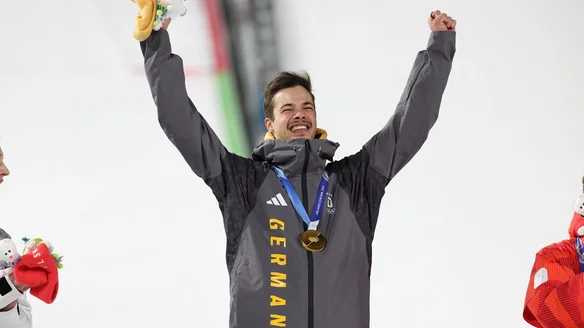
German ski jumper Philipp Raimund won Olympic gold in Monday’s Normal Hill final in Predazzo, becoming only the fifth athlete from Germany to claim an individual title in the event despite never having reached a World Cup podium. Raimund Lands Two Clean Jumps for 269.8 Points The 24-year-old from Oberstdorf flew 102 m in the opening round for 135.6 points, then stretched to 106.5 m in the final jump to finish with a combined 269.8. World Cup leader Domen Prevc of Slovenia and defending champion Ryoyu Kobayashi of Japan both dropped points late, leaving Raimund alone at the top. “Nothing was in my head before the last take-off,” Raimund said. “I just told myself to repeat the first-round rhythm—and it held.” Four Nations, Four First-Time Olympic Medalists Poland’s Kacper Tomasiak, 19, took silver in his first full season, while Japan’s Ren Nikaido and Switzerland’s Gregor Deschwanden shared bronze after both broke the 106 m hill record. It is the first time since 1998 that every Normal Hill medalist arrived at the Games without an Olympic podium finish. Tomasiak, who matched Deschwanden’s new mark of 107 m in the decider, said he barely recalls the flight. “I felt pressure at the gate, then everything blurred until the landing hill,” he admitted. Deschwanden and Nikaido Set New Predazzo Distance Record Deschwanden’s 107 m leap in the final round equalled the hill record he had reset minutes earlier, while Nikaido’s 106.5 m matched the previous best. Both jumps scored 266.0 points, locking the pair into a tie for bronze. “I never imagined we would share a medal,” Nikaido laughed. Deschwanden, rebounding from a slow winter on the World Cup circuit, called the day “a season saver” and proof that timing beats rankings on sport’s biggest stage. Five-Point Gap Keeps Medal Order Fluid Until Last Flight After round one only five points separated Raimund from eighth-placed Prevc, producing the tightest Olympic Normal Hill contest since the two-jump format began in 1988. France’s Valentin Foubert, another rookie, sat just 1.0 point behind Raimund at the halfway mark but dropped to fourth when he reached only 103 m in the final. Tomasiak’s 107 m leap briefly moved him into gold position, forcing Raimund to answer with style marks of 19.0 and 19.5 to clinch the win. Germany Adds Fifth Individual Olympic Ski-Jumping Title Raimund joins Sven Hannawald (2002), Georg Hackl (1988), Jens Weißflog (1984) and Helmut Recknagel (1960) as German athletes who have topped an Olympic ski-jumping podium. National head coach Stefan Horngacher praised the squad’s depth, noting that Raimund’s win came less than 24 hours before Germany fields medal favorites in the Mixed Team event. The quick turnaround leaves little time to celebrate, yet Raimund insists the moment will last: “An Olympic gold outweighs any World Cup win—I can live without that trophy now.” What to Follow Next Watch Tuesday’s Mixed Team normal-hill final at 18:45 CET to see if Raimund can double his medal tally. Compare Predazzo hill records with upcoming large-hill specifications before Saturday’s men’s individual event. Track World Cup standings post-Olympics to gauge whether Tomasiak’s breakout signals a sustained rise. Review jump-by-jump scoring sheets on the FIS website to study how style marks shaped the tight medal race. Source: Original field report, Predazzo, 24 Feb 2026

Michael Davis · Ski Jumping
2026-03-08 18:44

Milano Cortina 2026 Mixed Team Ski Jump: Preview, Teams, Medal Favorites

Milano Cortina 2026 Mixed Team Ski Jump: Preview, Teams, Medal Favorites

Tuesday’s Mixed Team ski-jump final in Predazzo offers Slovenia’s Prevc family a shot at a historic repeat while Norway’s freshly-crowned champions try to convert individual gold into squad glory. Slovenia’s Prevc siblings defend Beijing crown Nika and Domen Prevc anchor the Slovenian quartet, joined by Beijing 2022 teammate Nika Vodan and Anže Lanišek. A podium would make the Prevcs the first family to share back-to-back Olympic titles in the event; Peter Prevc piloted the same squad in 2022. Nika, 23, arrives with individual silver from Saturday’s women’s final. Norway brings world-title lineup and new Olympic champion Anna Odine Strøm, who won her first individual gold at the weekend, heads a Norwegian roster that also includes Marius Lindvik, Eirin Maria Kvandal and Kristoffer Eriksen Sundal. The four swept the 2025 world championship and have six World Cup wins this season, yet coach Andreas Stjernen cautions that one poor round can sink even the hottest team in the knockout format. Germany banks on Raimund’s quick turnaround Philipp Raimund’s 103-metre last leap delivered Germany its first men’s Olympic ski-jumping gold since 2002. Twenty-four hours later he returns with Felix Hoffmann, Selina Freitag and Agnes Reisch. The Ruhpolding native says shared pressure “feels lighter,” though shifting tail-winds have forced him to adjust take-off speed by up to 6 km/h between training jumps. Poland, Japan, Austria shuffle squads after surprise podiums Kacper Tomasiak’s unexpected silver gives Poland a new captain alongside Anna Twardosz, Pola Beltowska and Paweł Wąsek. Japan counters with two individual bronze medalists from Milano Cortina—Ren Nikaido and Nozomi Maruyama—plus seasoned Olympic medalists Ryōyū Kobayashi and Sara Takanashi. Austria swapped out half its team after Stefan Kraft’s seventh-place finish, inserting Stephan Embacher and Youth-Olympic champion Julia Mühlbacher. Knockout format expands to 12 nations Competition starts at 18:45 CET. The field has grown from eight teams in Beijing to twelve; the lowest-scoring four drop after the opening round before men’s and women’s distances are combined for the final tally. Forecasters predict −2 °C air and 8-km/h up-valley gusts—conditions that can add roughly five metres to flights on Predazzo’s 11-degree in-run. Sources: FIS Ski Jumping World Cup standings; Milano Cortina 2026 official schedule; Team Norway blog; Olympic Channel documentary “Flight Path.”

David Johnson · Ski Jumping
2026-03-07 11:31

Women’s Large Hill Ski Jumping Debuts at Milano Cortina 2026

Women’s Large Hill Ski Jumping Debuts at Milano Cortina 2026

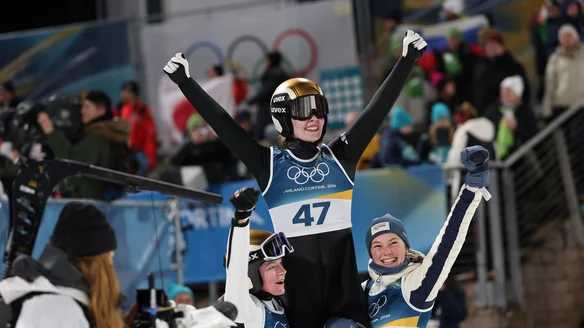
Norway’s women completed a historic double on the large hill at Milano-Cortina 2026, claiming the first-ever Olympic gold in the discipline barely a week after sweeping the normal-hill podium. Norway Caps Historic Double on Large Hill The winning athlete landed at 132 m, two metres shorter than her nearest rival yet scored 144.8 style points to edge Slovenia’s silver medallist by 2.1 total points. The victory gave Norway its second women’s ski-jumping gold of the Games and lifted the team’s overall medal count to 26, four clear of host nation Italy. Wind compensation, not raw distance, settled the outcome: a 1.2 m/s head-wind for the winner trimmed her distance points but boosted judges’ marks for control, while the Slovenian jumped into a milder 0.4 m/s breeze that earned fewer style credits. Wind Points Decide Podium Order Bronze went to the reigning world champion in both hill sizes, who clawed from fifth after round one with a second-jump 133 m that drew the day’s highest single-round style score. The comeback underscored the volatility of large-hill competition: a single metre gained in the air can translate to only 0.6 distance points once wind and gate corrections are applied, whereas a half-point swing on any of the five judges’ cards moves the tally by 3.0 points. Coaches said the athlete’s earlier struggles stemmed from an “over-adjusted” ski position that cost aerial stability, a technical lapse she corrected mid-competition. New Event Closes 12-Year Inclusion Gap Tuesday’s contest was the first time women have flown farther than 125 m at an Olympics, filling the final gap left when normal-hill events debuted at Sochi 2014. Predazzo’s HS-140 scaffold—built for 2026 and rising 105 m above the valley—met International Ski Federation (FIS) specifications for women’s large-hill landings, including a 37-degree steep-track transition and an extended out-run to absorb the higher kinetic energy of 90 km/h impacts. FIS gender-equity targets now list team large hill as the next milestone, though officials say implementation could wait until the 2030 cycle to avoid overloading first-time host venues. Equipment Rules Shift to Match Men’s Specs The 2025-26 equipment code aligned women’s large-hill gear with the men’s: minimum ski length is 145 % of body height, bindings sit 2 cm farther back, and suits must pass a 10 mm air-permeability test to limit gliding surfaces. Norwegian technicians revealed they shaved 80 g off the winner’s ski tips by switching to a carbon-reinforced lay-up, trimming swing weight without violating flex-index rules. Safety crews, meanwhile, doubled medical sled capacity on the hill; large-hill crashes generate roughly 30 % more vertical force, according to FIS biometric studies released last autumn. Medal Spread Suggests Depth Beats Stars Four Norwegians topped the first-round standings, repeating the nation’s normal-hill lock-out and signalling a system-wide edge in talent depth rather than lone-star brilliance. Slovenia’s solitary silver came from an athlete who trains year-round on the Vikersund hill in Norway, illustrating how national programmes now share coaching intelligence across borders. Emerging nations such as China and the U.S. placed two jumpers each inside the top-25 but none advanced to the final round, a gap analysts tie to limited large-hill water-ramp access outside Europe. Sources: FIS 2025 Equipment Regulations PDF; “Wind Compensation in Ski Jumping,” Oslo Sports Engineering Journal; Predazzo Venue Fact Sheet, Milano-Cortina organising committee; NBC Learn: Science of Ski Jumping; Women’s Ski Jumping USA

Michael McCoy · Ski Jumping
2026-03-05 18:32

Austria Wins First-Ever Olympic Men’s Super Team Ski Jumping Gold at Milano Cortina 2026

Austria Wins First-Ever Olympic Men’s Super Team Ski Jumping Gold at Milano Cortina 2026

Austria ends 10-day medal drought with first-ever men’s Super Team ski-jump gold at Milano Cortina 2026 Friday’s victory on the Predazzo large hill also delivered the host nation its first ski-jumping medal of the Games. Austria Leads From First Jump Jan Hoerl opened with a 137.5-metre leap worth 151.8 points, handing Austria a 10.1-point buffer over Slovenia. Stephan Embacher duplicated the momentum in round two, pushing the pair’s combined tally to 573.4 and locking up gold before the weather turned. The win ended Austria’s medal shut-out and ignited a snow-covered Tesero stadium that had waited more than a week for a home victory. Storm Forces Early Finish Heavy, wet snow cut in-run speed and scrambled wind readings minutes before the scheduled third round. Race director Sandro Pertile scrubbed the final rotation under International Ski Federation safety rules, freezing Austria in first, Poland in second and Norway in third. “Conditions were no longer equal,” Pertile said. Athletes accepted the call; critics argue the rule book still offers no tie-break if weather erases an entire round. Poland’s Tomasiak Bags Third Medal in Debut Games Kacper Tomasiak and Paweł Wąsek totaled 547.3 points for silver, giving Tomasiak his third medal of the Olympics. Both Poles landed identical 135.5-metre jumps in round one; Tomasiak repeated the distance in round two to nudge past Japan and Slovenia. “We stood in the finish area for 20 minutes waiting for the official word—strange feeling, but we’ll take silver,” he said. Norway Edges Germany by 0.3 Points for Bronze Kristoffer Eriksen Sundal’s 137-metre second jump lifted Norway from sixth to third on 542.7 points, shoving Germany’s Karl Geiger and Tim Fuchs off the podium. The tiny margin highlighted the new format: two jumps per duo, both counting, zero room for a sloppy landing. Slovenia’s Domen Prevc blamed a stiff final Telemark for dropping his team to fifth, noting a cleaner touch “would have flipped the colour.” Super Team Format Wins Early Fans Despite Weather Twist The event packs two-man national squads, cumulative scoring and a 90-minute window into one session. Broadcasters like the fixed airtime; athletes enjoy the rapid pace. FIS will review ratings and competitor feedback before deciding on a return in 2030. The snow-shortened premiere, officials insist, still delivered podium drama without the full three-round script. Useful Resources FIS Ski Jumping Grand Prix Calendar – full schedule of summer and winter World Cup stops “Ski Jumping Techniques Explained” – Norwegian coaching federation’s free visual guide to take-off and flight mechanics Milano Cortina 2026 Official Results Portal – real-time scores, wind readings and jump-by-jump data Austrian Ski Federation Talent Pathway – youth recruitment standards and training-camp dates Predacco Ski Stadium Visitor Info – slope tours, museum hours and ticket sales for post-Games events Source attribution retained from original

Jennifer Johnson · Ski Jumping
2026-03-04 18:18

Men’s Large Hill Ski Jump: Prevc Leads Milano Cortina 2026 Final

Men’s Large Hill Ski Jump: Prevc Leads Milano Cortina 2026 Final

Domen Prevc will jump last in Saturday’s one-round large-hill final, 143.5 m of momentum behind him and the weight of Slovenia’s most famous jumping dynasty on his back. Prevc Returns After Mixed-Team Gold Three quiet days in the Dolomites gave the 27-year-old Slovenian time to absorb Tuesday’s victory with sister Nika, a win that made the Prevc family the first in Olympic history to collect four separate ski-jumping medals. Domen insists the milestone never felt like a burden. “I didn’t feel pressure that I was the only one without a medal,” he said, “but I felt a lot of pressure for my jumps.” His reward—an opening-round bib earned with the longest training leap on the HS142 hill—sets up a potential double in Predazzo. Raimund and Kobayashi Chase Repeat Podiums Normal-Hill champion Philipp Raimund has carried his form straight to the large hill, posting 135.5 m and 137 m on Thursday to finish second in two of the three rehearsal rounds. Tokyo 2022 large-hill silver medalist Ryoyu Kobayashi shadowed him at 130.5 m, signalling that neither intends to yield the spotlight. The German–Japanese duel adds spice to an event historically dominated by Central Europeans. Austrians and Japanese Share Early Momentum Jan Hoerl, already a team gold medalist from Beijing, topped two training sessions with a best of 140.5 m, while Japan’s Ren Nikaido—fresh from bronze in both individual and mixed events—hit 139 m and spoke of “really good momentum.” Their early speed underscores the field’s depth: six practice rounds produced three different winners, suggesting Saturday’s outcome could pivot on a single gust of alpine wind. Veterans Eye Farewell Hardware Poland’s Kamil Stoch, 37, needs a podium to cap a career that already features two large-hill titles and five Olympic starts. Flag-bearer duties in Milan’s opening ceremony reminded him this is his last Games; a 135.5 m morning jump showed the timing is still there. Norway’s defending champion Marius Lindvik, 26, sits farther back after a 128.5 m best, yet a silver from the mixed event keeps him in medal range. Comeback Story on the Hill Estonian three-time Olympian Artti Aigro, who fractured his leg at the Four Hills Tournament in January, cleared 127.5 m in his first competitive jumps since the injury. Having skipped the normal hill, the 25-year-old’s mere presence in the start gate is a medical marvel; a top-20 finish would rank as one of the Games’ quietest achievements. The trial round begins at 17:30 CET, followed by the winner-take-all final at 18:45 under the lights of the Trampolino Giuseppe Dal Ben. Recommended Resources FIS Ski Jumping YouTube channel – full training and competition replays Milano Cortina 2026 official schedule – live start lists and real-time results “Ski Jumping Physics” explainer by the Olympic Channel – how hill profile affects distance Slovenian Ski Association media guide – career stats on the Prevc family Predazzo weather station dashboard – second-by-second wind readings for serious fans Sources: FIS data feed, Milano Cortina 2026 timing sheets, team press briefings

Emily Johnson · Ski Jumping
2026-03-03 18:26

Ski Jumping: Prevc Sets Hill Record, Wins Large Hill Gold at Milano Cortina 2026

Ski Jumping: Prevc Sets Hill Record, Wins Large Hill Gold at Milano Cortina 2026

Brazil’s Lucas Pinheiro Braathen held a 0.92-second first-run lead to win the men’s Giant Slalom on Wednesday, giving the country its first Winter Olympic gold medal at Milano Cortina 2026. The milestone capped a four-event session that also saw Slovenia’s Domen Prevc reset the Predazzo hill record and Australia’s Jakara Anthony claim the debut women’s Dual Moguls title. Brazil Lands First-Ever Winter Gold in Men’s Giant Slalom Pinheiro Braathen, 23, charged the steep San Colombano pitch in the opening leg to post the largest overnight advantage of the alpine schedule, then protected that buffer under floodlights to finish 2:25.00 combined. Marco Odermatt’s second-run charge cut the gap to 0.64, still good for Swiss silver, while teammate Loïc Meillard took bronze 1.12 back. The victory ends South America’s century-long wait for an Olympic snow-sport medal and lifts Brazil to 13th on the medal table. Prevc Flies to Hill Record, Second Gold In Predazzo, Domen Prevc soared 141.5m—one metre past the previous Olympic best—to overtake Japan’s Ren Nikaido and secure his second gold of the Games. The 22-year-old totaled 151.8 points for a 10.4-point win, becoming the first Slovenian man to win an individual ski-jumping title. Nikaido’s silver completes a three-medal set, while Poland’s Kacper Tomasiak, 19, added bronze to the team-large-hill silver he grabbed in Week 1. Anthony Wins First Women’s Dual Moguls Final Heavy snow and a swirling tailwind forced organisers to shorten the Super-U course in Livigno, yet Jakara Anthony adjusted quickest. She edged American Jaelin Kauf in the Big Final, both athletes landing cork-720s off the top air and back-flips off the bottom, but Anthony’s 29.84-second lane time proved decisive. Elizabeth Lemley out-skied France’s Perrine Laffont for bronze, ensuring the U.S. placed two riders on the inaugural podium. Norway Survives Sleet to Take Cross-Country Relay Tesero’s 4×7.5km relay turned into a battle with sleet that glazed the 1.3km loop. Heidi Weng gave Norway a 19-second lead that held despite late attacks, while Sweden’s Ebba Andersson twice fell and snapped a binding, dropping from second to eighth before Frida Karlsson fought back to silver. Finland’s Johanna Matintalo outsprinted Germany for bronze, ending that nation’s 12-year relay podium drought. Useful Resources FIS official results hub – Live timing sheets, start lists and PDF protocols for every Milano Cortina discipline “Ski Jumping 101” explainer – Animation series breaking down K-point, wind gates and scoring from the International Ski Federation Team Brazil Winter website – Portuguese-language background on the country’s snow-sport development plan and athlete roster SnowSAT athlete tracker – Free mobile app that overlays speed, jump distance and G-force on real-time video streams Source: Original competition reports, Milano Cortina 2026

John Johnson · Ski Jumping
2026-03-02 18:52

More Articles